THE
REIGN OF THE ICE
There
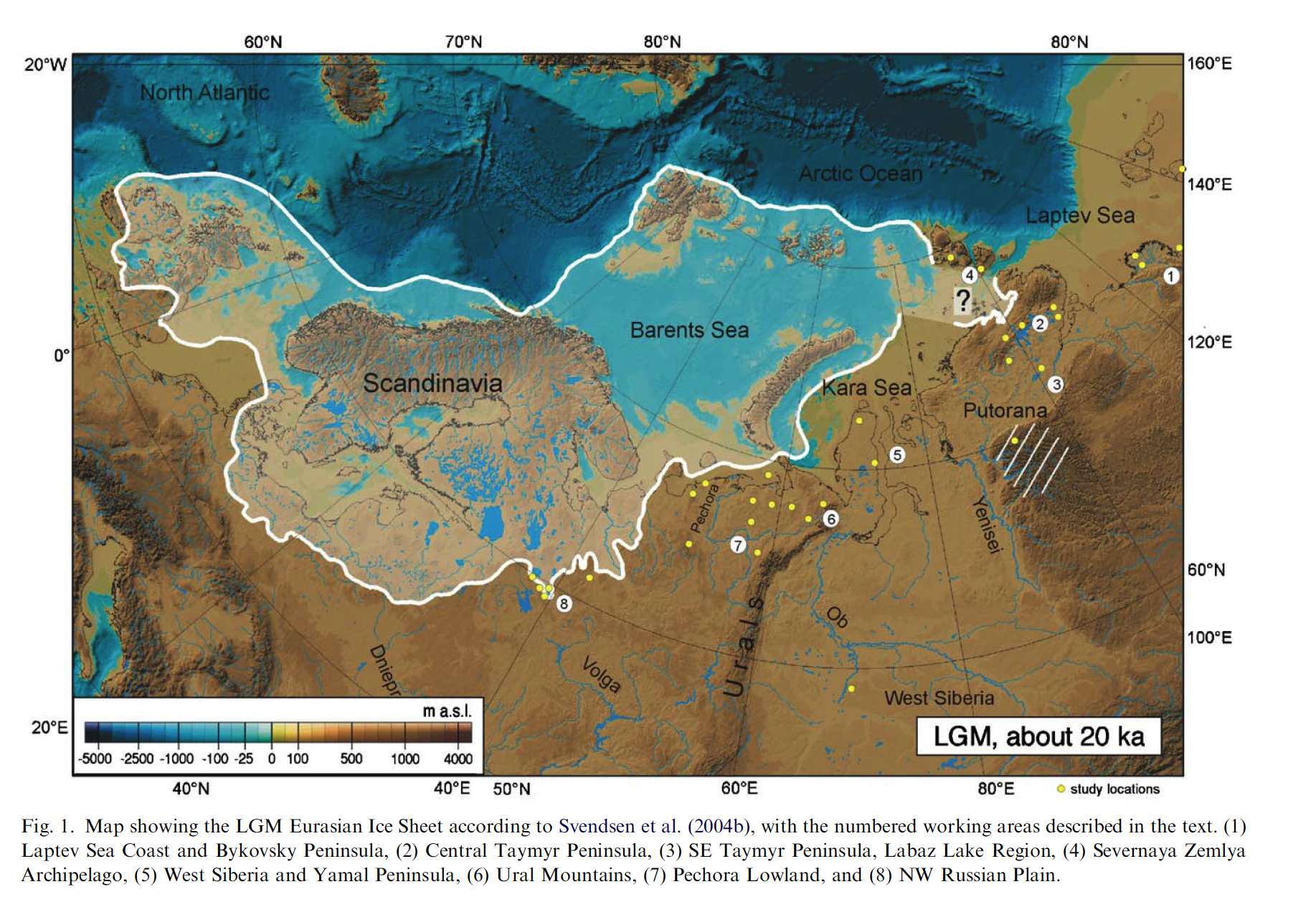
were at least 4 Ice-ages with gllobal consequences. There were
several smaller ones, mini-Ice Ages, which lasted over 100 years
long. North-Eastern Europe was struck by one in the 17th
and 18th century. It helped the Dutch in their fight
against the Spaniards. The frozen rivers and lakes were ideal for
skating, an art the Spaniards were unfamiliar with and did not have
an military answer. Cities encircled by Spanish troops, could be
relieved and strengthened over the icy water. These four main
ice-ages delivered four “different” humans and their resp.
societies. A golden age, a silver one, the bronze age and finally an
iron age. That is the crumbling age we live in. Every period was
closed and begun by all kinds of disasters. Volcanic eruptions,
earthquakes, tsunamis and mudslides on a global scale. Every time the
survivors forgot what happened (amnesia) and started all over again.
Everytime they had less material resources, technology and spiritual
power. Knowledge, data and insights got lost and the material
component of their civilization was damaged or destroyed. Ice was
connected to water. The more ice, the less water. On several moments
in history sea-levels were 200 meters lower, than today. Each human
civilisation started as groups of individuals (clan, tribes) but as a
form of progress groups unified, sometimes by force, sometimes
through migration. Eventually humans had global contact and
unification on a world-scale was made possible. The Bronze age was
the Age of Atlantis,, Lemuria was silver and Gotwana gold. Due to the
circumstances in each period, you can draw a different worldmap. The
big city-states of Gotwana, Lemuria and Atlantis have been destroyed
or were forgotten (Angkor Wat) and some disappeared under the waves,
like Doggerlant and the Black Sea. This is a time of change and we
approach a new Golden Age (it's a cycle). Old powers are manifesting
themselves and are manipulating human kind.
Why?
They want to conquer Paradise first.

Geen opmerkingen:
Een reactie posten